
Outdoor Space Builders designs and builds high-end decks across Connecticut using premium materials (TimberTech®/AZEK®, exotic woods) and in-house craftsmanship. Our crew handles advanced details heat-bent borders, alternative/metal framing, helical pile footings, Feeney® cable railing and we back our work with a 1-year workmanship warranty plus TimberTech’s 7-year labor warranty on eligible installs. This guide gives straight answers first, then explains what affects deck lifespan so you can make a smart choice.
Quick Answer: Deck Lifespan at a Glance
Typical ranges by surface material (with proper installation and care):
- Pressure-treated pine: ~10–15 years (20 with diligent maintenance)
- Cedar / Redwood: ~15–20 years
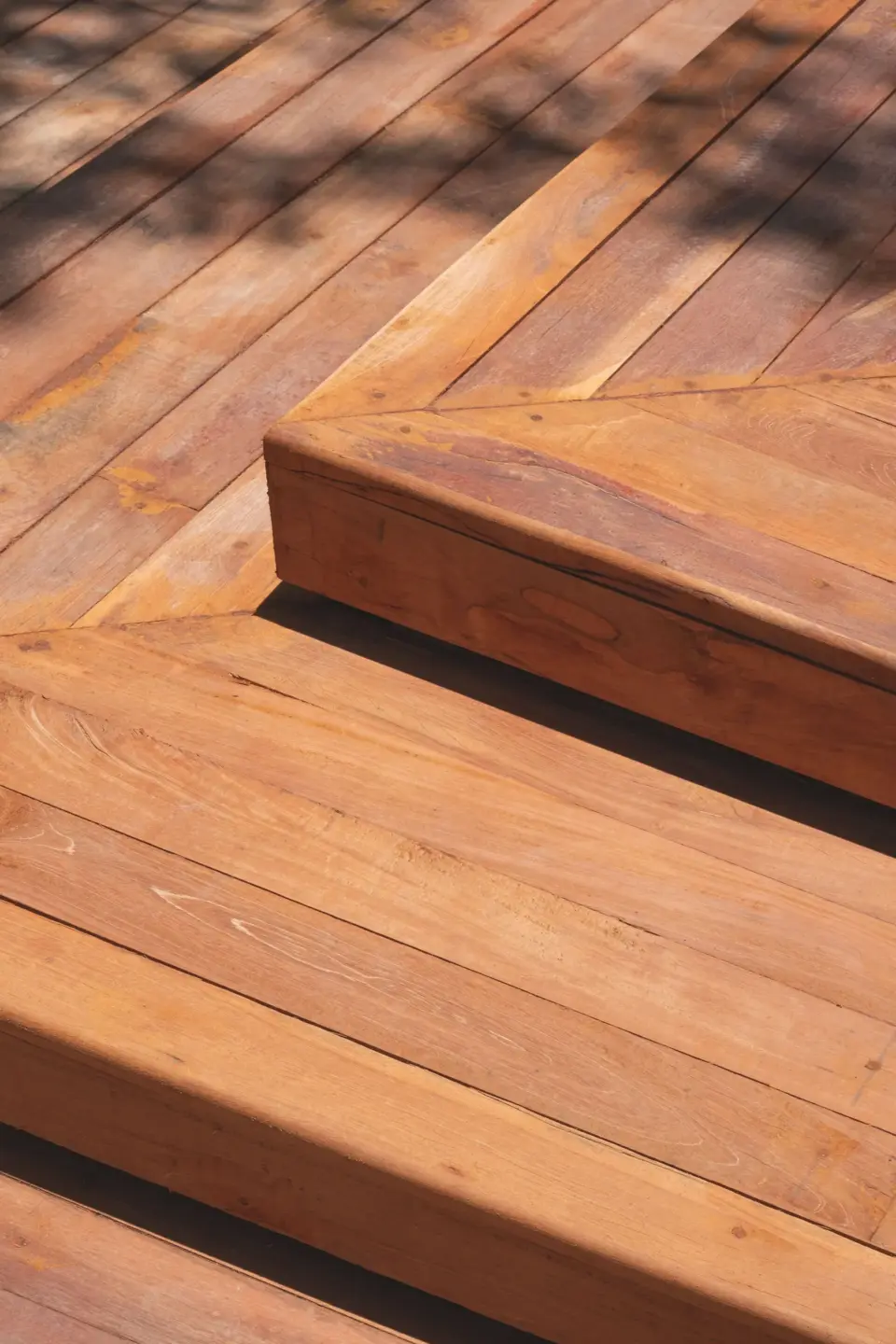
- Tropical hardwoods (e.g., ipe, cumaru): ~25–40+ years
- Composite (capped): commonly 25–30+ years; brand warranties often 25–50 years
- PVC decking: commonly 25–30+ years; brand warranties often 25–50 years
What “lifespan” really means:
Your deck has two parts surface (deck boards + railings) and structure (posts, beams, joists, footings). Boards can outlast framing or vice-versa. Warranties cover materials under certain conditions, but real-world life also depends on climate, installation quality, and maintenance.
What Affects Deck Lifespan
Material & Build Quality
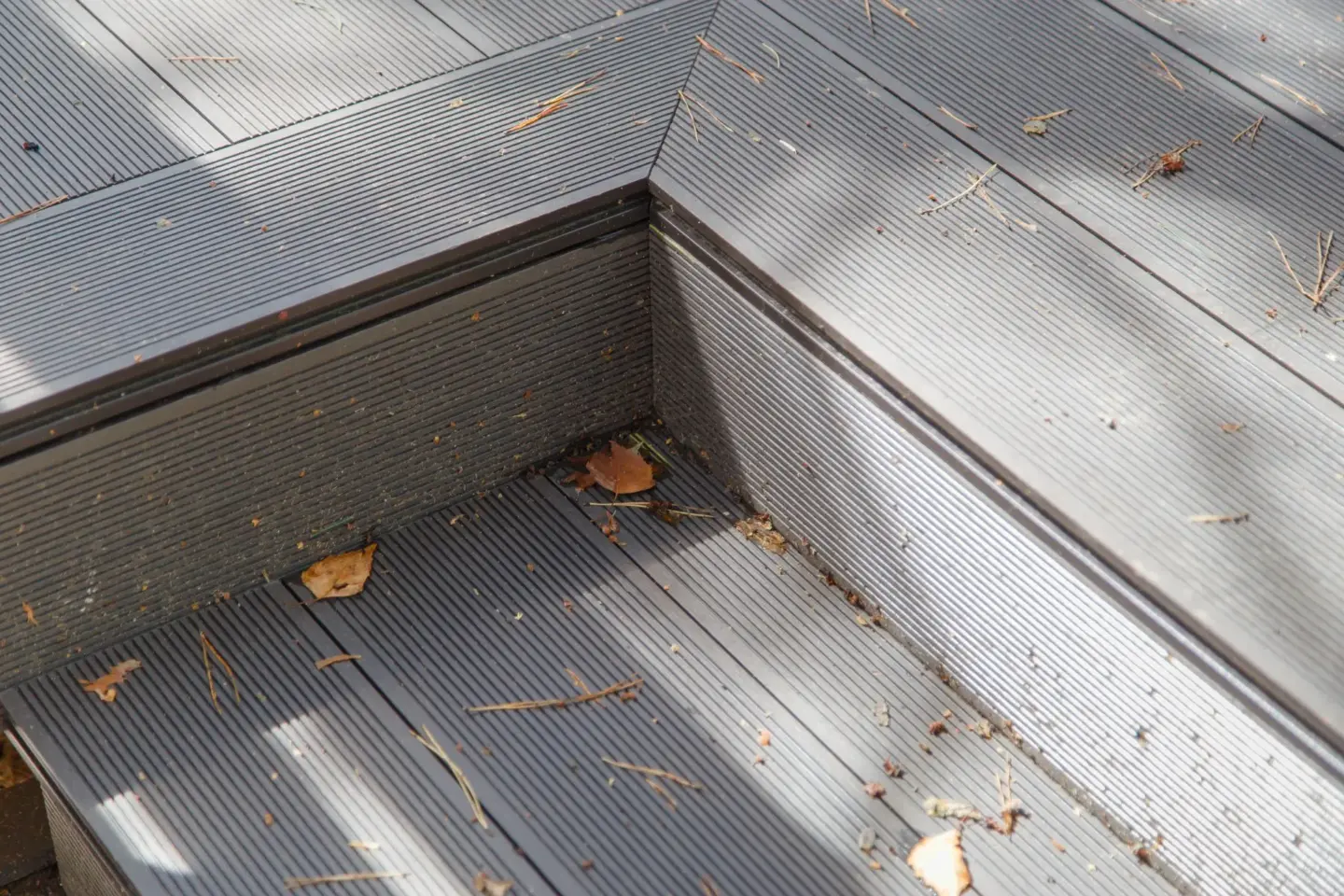
- Capped composite vs. uncapped: Capped boards resist moisture, staining, and UV better.
- PVC: Excellent moisture resistance; manage thermal movement with proper gapping.
- Wood species/grade: Higher-grade cedar/redwood and dense hardwoods last longer.
- Hardware & fasteners: Stainless or coated screws and hidden fasteners reduce corrosion and water intrusion.
Structure & Installation
- Framing species & spacing: Correct joist spacing, proper beam sizing, and straight, dry lumber matter.
- Flashing & waterproofing: Ledger flashing, beam/joist caps, and joist protection tape prevent rot.
- Footings & foundations: Helical piles or properly poured footings keep the frame stable and dry.
Climate & Exposure (Connecticut realities)
- Sun/UV: Causes fading and surface wear; shade helps, as does capped technology.
- Moisture & freeze-thaw: Trap water and you invite rot; promote airflow under the deck.
- Coastal salt air & humidity: Accelerate corrosion use stainless hardware and quality flashing.
Use & Maintenance
- Foot traffic, pets, furniture: Adds wear; use protective pads under furniture.
- Cleaning schedule: Gentle wash keeps mold/mildew from holding moisture.
- Finish cycles (for wood): Consistent sealing/staining extends life.
Lifespan by Deck Type
Pressure-Treated Pine
- Pros: Most affordable, easy to repair.
- Care: Annual wash; seal or stain every 1–2 years.
- Expect: ~10–15 years; up to ~20 with vigilant upkeep.
Cedar & Redwood
- Pros: Natural rot resistance, warm look.
- Care: Gentle cleaning; re-seal on a set cadence.
- Expect: ~15–20 years.
Tropical Hardwoods (Ipe, Cumaru)
- Pros: Extremely dense and durable; premium look.
- Care: Pre-drill and use stainless fasteners; oil to maintain color.
- Expect: ~25–40+ years.
Composite Decking (Capped)
- Pros: Low maintenance; strong fade and stain resistance.
- Notes: Allow for expansion/contraction; follow brand fastening specs.
- Expect: 25–30+ years with many products warrantied 25–50 years.
PVC Decking
- Pros: Top-tier moisture resistance; great for wet areas.
- Notes: Manage thermal movement with proper gapping.
- Expect: 25–30+ years with long material warranties common.
Aluminum & Alternatives
- Pros: Very durable and fire-resistant; niche look.
- Expect: Long life with minimal upkeep, higher upfront cost.
Railings & Fasteners
- Railings: Powder-coated aluminum and stainless cable systems last decades.
- Fasteners: Stainless steel or high-grade coated screws fight corrosion; hidden systems reduce water entry.
Surface vs. Substructure: How Long Each Part Lasts
- Boards (surface): Follow the ranges above by material.
- Joists/Beams/Posts (structure): Pressure-treated framing can last 20–30+ years if kept dry and protected.
- Protect the frame: Use joist tape, post caps, and beam/ledger flashing to block water. Maintain clearance and ventilation under the deck so framing dries out after storms.
Maintenance That Extends Life
- Annual inspection checklist: Wobbly rails, soft or spongy boards, rusted hardware, loose ledger, clogged gaps.
- Cleaning & mildew control: Gentle soap + water and a soft brush; avoid harsh power-washing that scars fibers.
- Sealing/staining cadence (wood): Keep water beading; re-coat when absorption starts.
- Preventive upgrades: Under-deck drainage, shade structures, skirting with venting, and snow-clearing habits that avoid gouging.
Signs It’s Time to Repair, Resurface, or Replace
- Cosmetic wear (repair): Surface scratches, minor fading, single-board replacements.
- Resurface: Frame is sound, but boards are tired install new surface over the existing structure (after inspection).
- Replace: Ledger damage, widespread rot, undersized framing, or persistent movement. Safety comes first.
Warranties vs. Real-World Performance
- Material warranties: Often cover fade, stain, or structural defects under specific conditions; they don’t replace maintenance.
- Workmanship warranties: Depend on the installer; OSB provides a 1-year workmanship warranty and installs products eligible for TimberTech’s 7-year labor warranty when criteria are met.
Cost & Value Over Time
- Upfront vs. total cost of ownership: Wood often costs less to start but needs regular finishing; capped composite/PVC cost more upfront but save time and money on maintenance.
- Resale & ROI: A durable, low-maintenance, great-looking deck is a strong selling point.
Codes, Permits & Safety Considerations
- Local codes & permits: Stairs, railings, and load ratings must meet current code.
- Insurance: Aging decks with structural issues can create liability; regular inspections protect people and property.
Choosing the Right Deck for Your Home
- Decision guide:
- Want low maintenance? Choose capped composite or PVC.
- Love a natural look? Cedar, redwood, or hardwoods deliver budget for upkeep.
- Challenging site or soil? Consider helical pile footings for stability.
- Modern, open views? Feeney cable railing keeps sightlines clean.
- Smart questions for your contractor:
- What materials (brand/line) and fasteners will you use?
- How will you handle ledger flashing, joist protection, and drainage/ventilation?
- What are the warranty terms (material + labor), and how do I keep them valid?
Summary & Next Steps
- Bottom line: With proper design, installation, and care, a Connecticut deck can last 25–30+ years with composite/PVC and 15–40+ years with wood, depending on species and maintenance.
- Best move now: Book a professional inspection or design consult. We’ll assess your current structure, talk through materials, and map a plan to extend your deck’s lifespan or replace it once it’s the safer, smarter choice.